
Receiver hitches, crucial for McAllen performance truck parts modifications, connect trucks to trailers or accessories, ensuring safe towing. Choosing the right hitch class (I-VII) based on vehicle weight is vital for safety and handling. Proper installation and regular maintenance by local suppliers optimize performance, enhance towing capacity, and ensure structural integrity. Class III hitches support heavy-duty applications, while class I options offer affordability for everyday use. Prioritizing these aspects ensures reliable truck performance under diverse conditions.
In the realm of performance truck parts McAllen drivers rely on, receiver hitches stand as a critical component for towing and hauling. These versatile systems enable owners to transform their vehicles into powerful workhorses, be it for recreational activities or professional needs. However, selecting and installing the right receiver hitch can be challenging given the vast options available. This article delves into the intricacies of receiver hitches, dissecting their function, benefits, and how to choose the optimal one for your performance truck, ensuring seamless integration and enhanced capabilities.
- Understanding Receiver Hitches: Essential Setup for Performance Truck Parts McAllen
- Optimizing Performance: Choosing and Installing Hitches for Your Truck
Understanding Receiver Hitches: Essential Setup for Performance Truck Parts McAllen

Receiver hitches are a fundamental component of performance truck modifications, playing a crucial role in ensuring optimal towing capacity and vehicle stability when upgrading to high-performance parts in McAllen. These hitches, often overlooked, serve as the connection point between your truck’s frame and the trailer or accessory being towed. A poorly installed or incompatible hitch can lead to unsafe driving conditions, compromising both your and other drivers’ safety. Therefore, understanding receiver hitches is essential for any owner looking to enhance their vehicle with performance truck parts McAllen offers.
The receiver hitch, part of the trailer coupling system, consists of a metal tube that slides into the bed of your pickup truck. It provides a secure mount for various towing accessories like gooseneck trailers, fifth-wheel trailers, or even bike racks and cargo carriers. When upgrading to performance parts designed to enhance your truck’s capabilities, it’s vital to match these components with compatible receiver hitches to maintain stability and safety while in motion. For instance, installing a heavy-duty lift kit without an equally robust hitch upgrade can result in handling issues, as the increased weight distribution may cause poor steering control.
Expert mechanics emphasize that selecting the right hitch class is key. Hitch classes range from I to VII, each designed for specific towing needs and vehicle weights. McAllen’s performance truck parts suppliers typically offer a wide range of options, ensuring customers can find the perfect match for their upgraded vehicles. Proper installation by qualified technicians is equally important, as incorrect setup can lead to damage, both to your truck and the trailer being towed. Regular inspection and maintenance of receiver hitches are recommended to ensure they remain in optimal condition, aligning with the advanced performance parts installed on your McAllen-based truck.
Optimizing Performance: Choosing and Installing Hitches for Your Truck
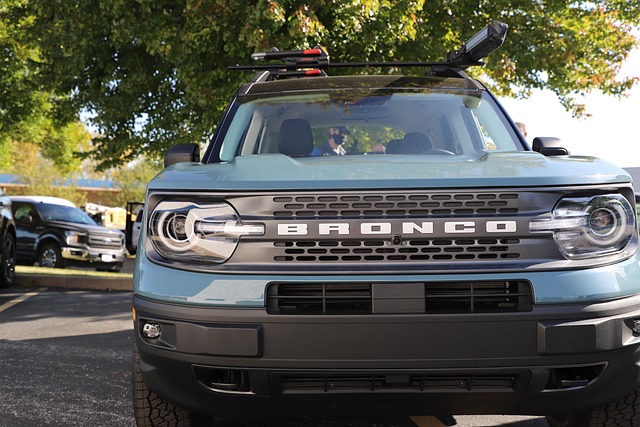
Optimizing performance through the strategic selection and installation of hitches is a critical aspect of equipping your truck for maximum capability. When it comes to enhancing towing capacity and versatility, a well-chosen hitch can make all the difference on the road. In many cases, performance truck parts McAllen are not just about aesthetics; they directly impact the overall efficiency and functionality of your vehicle.
For instance, a class III hitch, commonly used for heavy-duty applications, offers a secure platform for towing trailers or hauling large loads. These hitches are designed to bear significant weight, ensuring your truck can handle demanding tasks without compromising safety or performance. Conversely, a lighter-duty class I hitch is ideal for everyday use and light towing, striking a balance between affordability and functionality. Understanding the specific needs of your trucking activities—be it recreational camping trips or commercial hauling—is paramount when choosing the right hitch.
Proper installation is another vital consideration. A poorly installed hitch can lead to unsafe driving conditions, potential damage to your truck, and reduced performance. Professional installation or thorough following of manufacturer guidelines are essential to ensure the hitch aligns correctly with your truck’s frame, providing a secure connection without compromising structural integrity. After installation, regular maintenance checks become crucial, including inspecting bolts for tightening and checking for any signs of wear or damage that could affect overall performance and safety. By prioritizing these aspects, you’ll not only enhance your truck’s towing capabilities but also ensure it remains reliable under various conditions.
By delving into the world of receiver hitches, this authoritative article on performance truck parts McAllen has unveiled crucial insights for optimizing your truck’s performance. Key takeaways include understanding the essential role hitches play in ensuring proper setup and maximizing the benefits of high-performance components. Choosing the right hitch and expert installation are paramount to enhance towing capacity and overall vehicle dynamics. Armed with this knowledge, truck enthusiasts can make informed decisions when acquiring performance truck parts McAllen, knowing that a well-fitted hitch is a game-changer for both on-road and off-road adventures.